What Your Sitemap Swears Is New: A Quarterly Freshness Audit for Publisher Teams

Photo: Coolcaesar, CC BY-SA 4.0, via Wikimedia Commons
A sitemap is usually described as an index. In practice, its lastmod element functions more like testimony. Each timestamp asserts that a URL changed on a specific date, and when that assertion is wrong at scale, the consequence is rarely a single misread page. It is a gradual discount applied to the whole feed.
For US publishers operating in 2026, the stakes have widened. Traditional search crawlers, news aggregators, and AI answer engines all make freshness judgments, and many of them read sitemap metadata as one input among several. A team that stamps every URL nightly is not simply being sloppy. It is training machines to ignore the one signal that could have helped genuinely new work get discovered faster.
A Timestamp Is a Claim, Not a Fact
Google has long treated lastmod as a hint rather than a directive, and its public guidance is consistent: the value is useful when it is consistently accurate. That conditional matters. A crawler that repeatedly encounters lastmod dates that do not correspond to meaningful page changes learns to weight the field down, and that discount can persist after the underlying problem is fixed.
The same logic applies beyond Google. AI crawlers and answer-generation systems often schedule recrawls with limited resources. If a publisher's sitemap says everything changed yesterday, the crawler has no reliable way to separate a corrected headline from a regenerated XML file.
How Automated Stamps Undermine the Signal
The usual causes are mundane and well known to anyone who has administered a large CMS:
- A plugin that writes the current time to lastmod whenever a page is saved, regardless of whether the body text changed.
- A migration or template deployment that re-saves every record in the database.
- A sitemap generator configured to rebuild nightly and stamp the generation time.
- Timezone offsets that push a US Eastern publication date into the previous or next day.
- Editorial workflows that treat tag additions, author-bio updates, or related-link modules as content revisions.
None of these is catastrophic on its own. Together they produce the pattern crawlers are most likely to distrust: near-uniform freshness across a domain that publishes a modest number of articles per day.
The Quarterly Audit, Step by Step
The goal is not to eliminate lastmod. It is to calibrate it. A quarterly cadence works well because it is frequent enough to catch generator regressions and infrequent enough to be sustainable for a small SEO or platform team. The workflow below assumes access to the CMS, the sitemap configuration, and a spreadsheet.
1. Draw a stratified sample
A purely random sample will over-represent evergreen pages and miss the high-value URLs where freshness errors are most costly. Build a sample of 200 to 500 URLs depending on site size, weighted toward top-traffic articles, recent news, section fronts, and a rotating slice of archives. Keep a stable core across quarters so trend comparisons are possible, and refresh the rotating portion each cycle.
2. Pull the CMS revision history
Export the most recent revision timestamp and author for each sampled URL. Before comparing, define what counts as a substantive change. A headline edit, body correction, or added paragraph usually qualifies. A tag swap or a related-links module refresh usually does not. Write that definition down; disagreements about it are the most common reason audits stall.
3. Check the visible change log
For pages that display an updated date or a public correction note, compare the visible date with the sitemap value. A mismatch in either direction is a flag. Visible dates that are newer than lastmod suggest the CMS and the sitemap generator are reading from different fields. Visible dates that are older suggest overstamping.
4. Segment sitemaps by content type
If the site publishes one monolithic sitemap, this step is the most valuable long-term fix. News, evergreen explainers, product or subscription pages, video, and archive indexes have different change rhythms and should not share a generator rule. Segmenting makes it possible to see that, for example, the news sitemap is accurate while the evergreen sitemap is being refreshed wholesale every night.
5. Classify discrepancies
Sort each sampled URL into one of four buckets: accurate, overstated (lastmod newer than the last substantive change), understated (lastmod older than a real change), or ambiguous. Report the percentages by content type. Overstatement is the more common problem, but understatement quietly harms publishers who correct articles without updating the record.
6. Quantify and document
Estimate the crawl cost. If 60 percent of sampled evergreen URLs carry overstated timestamps, the crawler is spending a meaningful share of its budget on pages that did not change. Record the finding in a shared document with the date, the sample size, and the generator configuration in use. Future audits should be able to see what changed and when.
Remediation That Restores Trust
The fixes are usually configuration work rather than engineering projects:
- Point the sitemap generator at the CMS modification field rather than the generation time.
- Exclude metadata-only edits from lastmod, or accept them only when the page displays a corresponding visible update.
- Split sitemaps by content type and assign separate refresh rules.
- Normalize time zones to a single standard, preferably UTC, and document the choice.
- Treat changefreq as decorative. Major engines have said for years that they ignore it, and leaving stale values in place adds noise without benefit.
- Keep a short change log of sitemap configuration edits so a future audit can correlate a trust recovery with a specific fix.
What Honest Looks Like
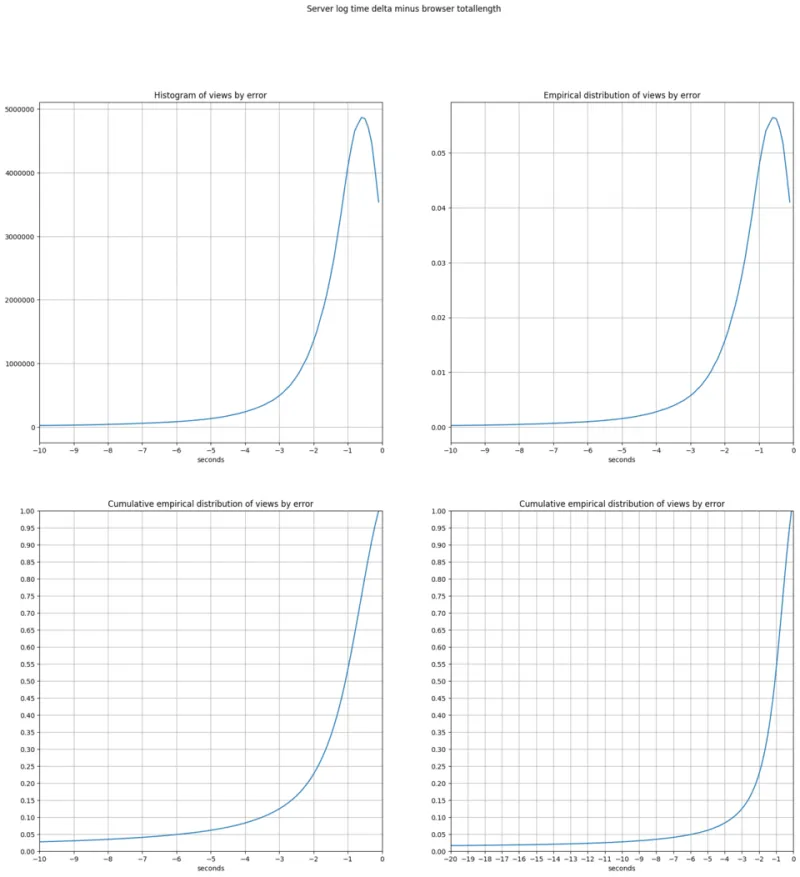
An accurate sitemap rarely looks dramatic. News URLs cluster tightly around publication and correction dates. Evergreen pages show long, uneven gaps. A site that publishes twenty articles a day should not show lastmod values from the past week on ninety percent of its URLs. That distribution is the tell, and it is visible in a simple histogram.
For publishers weighing whether to remove lastmod entirely, the trade-off is real. Removing it cedes freshness signaling to other inputs. Keeping it accurate preserves a useful hint. The objective is calibration, not deletion.
The Quarterly Rhythm
Schedule the audit after major CMS releases and before peak periods such as election coverage or holiday retail. US newsrooms often rebuild templates under deadline pressure, and those rebuilds are exactly when mass re-saves occur. A quarterly review that lands two weeks after a platform change will catch most regressions before they harden into a pattern.
A sitemap that tells the truth is unglamorous, but it is one of the few technical signals a publisher fully controls. Treating lastmod as a claim worth verifying is a small discipline with an outsized effect on how quickly real work gets found.